




Backpacker’s Guide to Spiti Valley (Himachal)
Introduction
An upcoming adventure I can’t wait to experience
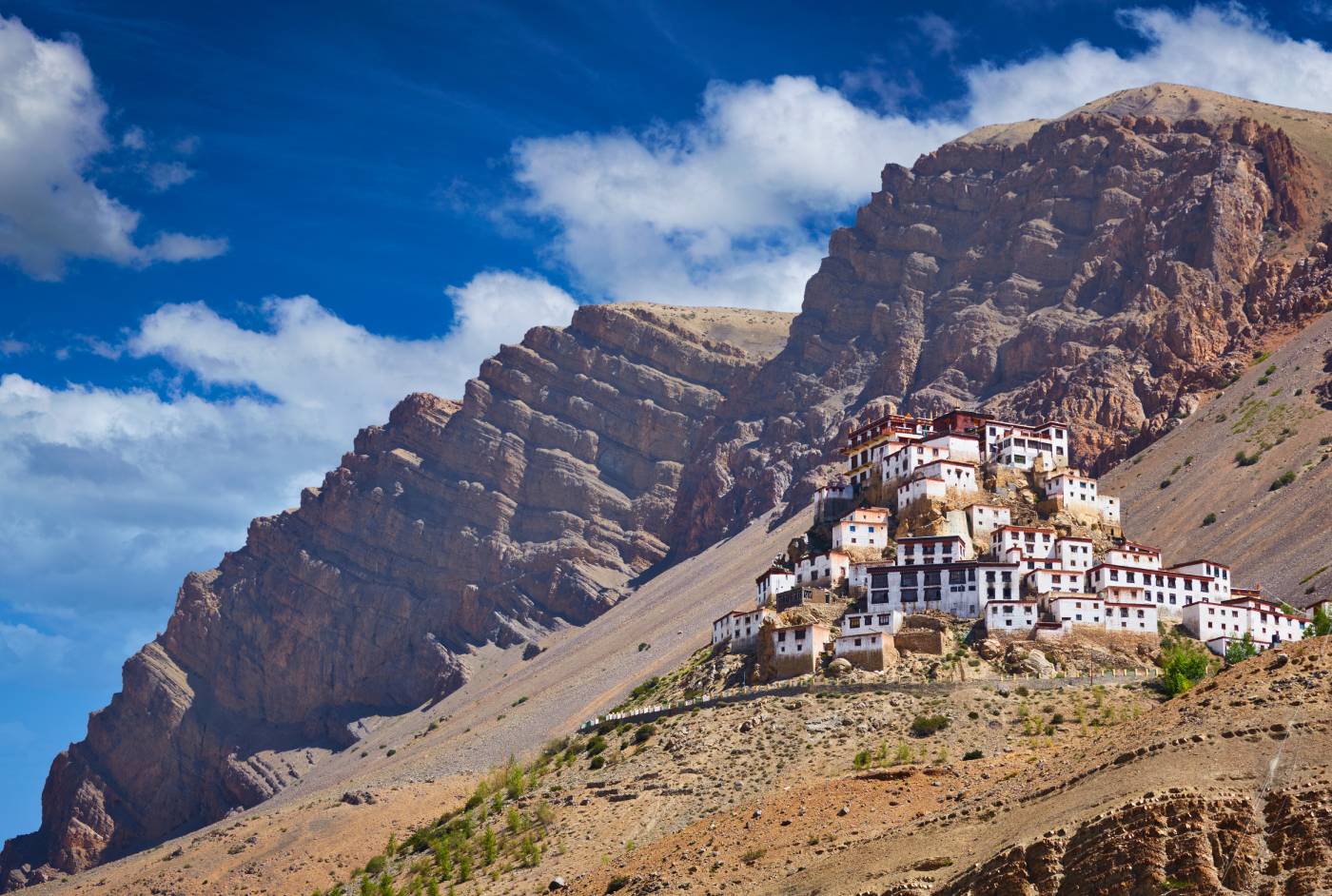
Spiti Valley has been on my travel list for a long time. The raw mountains, the monasteries hanging on cliffs, the silence of the desert at 12,000 feet, and the roads that test both your patience and your courage—Spiti isn’t just a destination, it’s an experience waiting to transform you.
And guess what? I’m finally heading there soon! This blog is not just a guide for fellow backpackers—it’s also my way of sharing what I’ve learned so far while planning this journey. Think of it as both a “prep guide” + “travel note” from someone who’s about to dive into the magic of Spiti.
Why Spiti Valley?
If Ladakh feels like the roof of the world, Spiti is its quiet, spiritual cousin. Less crowded, more rugged, and incredibly soulful. Known as “Little Tibet,” it’s home to ancient monasteries, stark desert mountains, tiny villages, and some of the friendliest people you’ll ever meet.
For me, Spiti is about slowing down, disconnecting from the rush, and letting the mountains teach me patience.
How to Reach Spiti as a Backpacker
- Shimla → Kinnaur → Spiti
- Open almost all year (except peak winters).
- Longer but safer, with gradual altitude gain.
- Scenic towns like Kalpa, Nako, and Tabo en route.
- Manali → Kunzum Pass → Kaza (Spiti HQ)
- Open only from June–October.
- Shorter, but roads are rough and high-altitude hits quickly.
My plan: I’ll most likely take one route in and return by the other, to experience both. If you’re backpacking, this is the best way too—you get the full circle.
Staying in Spiti: Budget Backpacker Style
Spiti is heaven for budget travelers. Forget luxury hotels—what makes it special are the homestays and hostels.
- Kaza (the main town): You’ll find Zostel, goSTOPS, and plenty of backpacker hostels. Perfect for meeting other travelers.
- Villages like Kibber, Langza, Dhankar: Family-run homestays where you stay with locals, eat home-cooked food, and sleep under the stars.
- Average budget: ₹500–₹1000 per night (shared dorms/homestays).
Personally, I’m excited about the cultural exchange part—sharing stories with locals over butter tea or sitting by a monastery wall listening to monks chant.
Book your houseboat in advance during peak season (December–February) to avoid inflated prices. Carry mosquito repellent, a light shawl for evenings, and some snacks/water since options on the boat can be limited. If you’re vegetarian, make sure to inform the crew in advance so they can prepare meals accordingly.
Food to Try
Spiti isn’t about fancy cafes—it’s about simple, soulful mountain food.
- Thukpa (Tibetan noodle soup).
- Momos (of course).
- Butter tea (an acquired taste, but worth trying once).
- Local barley-based dishes.
I also plan to carry some energy snacks, because sometimes food options are scarce when you’re on the road for hours.
Must-Visit Places on a Backpacking Trip
Here’s what I’ve pinned for my trip (and what you should too):
- Kaza – the base town.
- Key Monastery – iconic, perched on a hill.
- Kibber & Chicham Bridge – the highest bridge in Asia.
- Langza – the fossil village with the giant Buddha statue.
- Hikkim – home to the world’s highest post office.
- Dhankar Monastery & Lake – less touristy, magical.
- Pin Valley – green valley tucked inside barren mountains.
- Chandratal Lake (if coming via Manali route) – unreal beauty at 14,000 feet.
Travel Tips (from my prep)
- Best time to visit: June–September (roads open, weather stable).
- Budget estimate: ₹1200–₹1800 per day (stay + food + shared transport).
- Transport: Public buses run but are limited—shared taxis and hitchhiking are common for backpackers.
- Altitude sickness: Be prepared, drink lots of water, ascend gradually.
- Connectivity: Almost no mobile network in many villages—expect digital detox.
Why Backpacking Spiti is Different
Unlike other places, Spiti demands effort. The roads are not easy, the weather is harsh, and comfort is rare. But that’s exactly the beauty—it forces you to slow down, adapt, and live simply.
For me, this trip isn’t just about places—it’s about the silence of the mountains, the warmth of strangers, and the challenge of the journey itself. I know Spiti is going to leave a mark on me, and I can’t wait to share my real experiences when I return.
So here’s the plan: I’m heading to Spiti soon, backpack loaded, heart ready. This blog is my way of preparing and also letting you join the journey. Once I’m back, I’ll update with stories, photos, and maybe even some hostel reviews.
Till then—if you’ve been to Spiti, drop me your tips. And if you’re planning like me, save this guide. Maybe we’ll cross paths on a winding road in the middle of the mountains.
Is Spiti Valley safe for solo backpackers?
Yes! Spiti is one of the safest regions in Himachal. Locals are warm, welcoming, and always ready to help. Even if you’re solo, you’ll find fellow travelers in hostels, homestays, and cafes.
What’s the best time to visit Spiti Valley?
Winter (November–March): Only the Shimla–Kaza route is open. Expect freezing cold, snow, and limited connectivity—adventurous but tough!
How many days do I need for Spiti?
Full circuit: 10–12 days (Shimla → Spiti → Manali or vice versa). Take it slow if you can—Spiti is about soaking in the vibe, not rushing.
How’s the network and internet in Spiti?
Jio & Airtel have patchy coverage (better in Kaza).
Don’t expect high-speed internet—this is the mountains! Download offline maps before leaving.
What kind of stay options are available?
Homestays everywhere (best way to experience Spitian culture).
Budget stays range from ₹500–₹800 per night.
What should I pack for Spiti?
Good trekking shoes.
Power bank & torch.
Refillable water bottle (reduce plastic waste).
Medicines (basic AMS, cold & fever).
Is altitude sickness a problem?
Yes, Spiti is high-altitude (3,000–4,500m). Go slow, stay hydrated, avoid alcohol on first days, and let your body adjust.
Can I travel Spiti Valley on a budget?
Absolutely! Stay in dorms/homestays, use HRTC buses or shared cabs, and eat local thalis. Backpackers can easily manage under ₹1,000 per day.
This is just the beginning—I’ll be sharing my backstory and real journey updates soon. Stay tuned and follow me on Instagram wanderwithrinkal for live updates from Spiti Valley.

Rinkal
Rinkal is a passionate traveler from Ahmedabad who loves exploring hidden gems, savoring local foods, and sharing adventures with fellow wanderers. Rinkal’s goal is to inspire others to travel on a budget while truly experiencing the essence of each place.

Leave a Reply